× Upcoming Events Welcome From Richmond Symphony About Us The Youth Orchestra Program Supporters Your Support Past Events
Home Welcome From Richmond Symphony About Us The Youth Orchestra Program Supporters Your Support
Image for Brahms & Strauss
Program

Program Notes

BRAHMS & STRAUSS
Valentina Peleggi | conductor
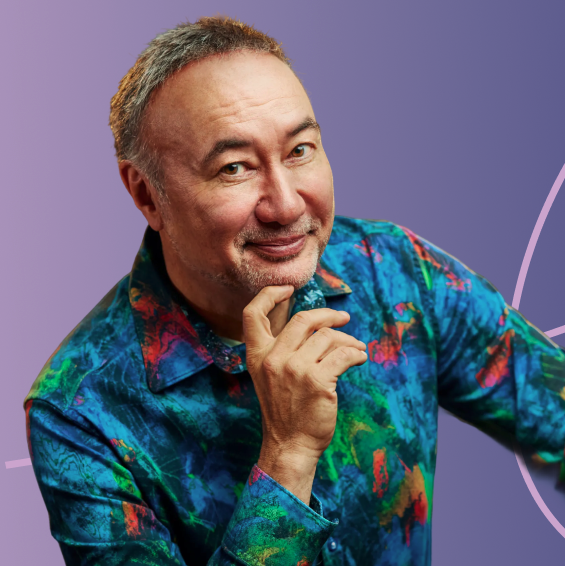
Jon Kimura Parker |  piano

The two short works by Richmond-born Mary Howe that begin our program launch a broader effort to restore a composer whose music was widely performed in her lifetime but later fell into obscurity. “We feel the urgency to rediscover these stories,” says Music Director Valentina Peleggi, connecting Howe to the Richmond Symphony’s ongoing exploration of Virginia’s musical history.

Strauss and Brahms then draw strikingly different kinds of expression from the orchestra. Strauss creates an elegant, nostalgic, and sometimes ironic vision of Vienna’s golden age through theatrical color. Brahms was also deeply engaged with the past, finding within tradition subtle ways to innovate.

HOWE/ STARS & SAND / 10 minutes

Born in Richmond in 1882, Mary Howe enjoyed a long and productive career as a composer, pianist, and musical organizer before her death in Washington, D.C., in 1964. She became known as a pianist through her frequent performances as part of a duo and was a prolific composer who also helped found the National Symphony Orchestra and the Society of American Women Composers. 

Howe described her musical language as “spanning and bridging,” suggesting a desire to connect musical tradition with the sounds of her own time. Composed in 1927, Stars was inspired, Howe wrote, by “the gradually overwhelming effect of the dome of a starry night — its beauty, peace, and space.”

The following year, Howe turned from the vastness of the night sky to something much earthier. She described Sand as “an imaginative piece on the substance itself, its granular consistency and grittiness and its potential scattering quality; more or less what it appears to be when sifting through your fingers on the shore.”

STRAUSS / Suite from Der
Rosenkavalier / 21 minutes

Richard Strauss used his tremendous gift for musical storytelling to become one of the greatest composers of opera in the last century. Set in mid-18th-century Vienna, Der Rosenkavalier combines broad comedy with remarkable emotional complexity. Its intrigue centers on the coarse and lecherous Baron Ochs, an aging aristocrat who regards the much younger Sophie von Faninal as a trophy bride, with her father’s substantial dowry as part of the bargain.

His plans unravel when Octavian is chosen to represent Ochs by presenting Sophie with a silver rose, a formal gesture announcing the proposed marriage. The opera’s title in fact means “The Knight of the Rose.” When Octavian and Sophie meet during the presentation, they immediately fall in love.

Yet the opera’s emotional center lies with the Marschallin, an older aristocrat trapped in a loveless marriage and already involved in a passionate affair with Octavian. Knowing that time will eventually separate them, she arranges for Octavian to deliver the silver rose and immediately senses that Sophie may become her rival. Her final decision to step aside lifts the opera into a realm of pathos and bittersweet wisdom.

Valentina Peleggi sees Strauss’s evocation of Vienna as offering what she calls “a melancholic look” back at a fabled Viennese past. Composed in 1909 and 1910 and premiered in January 1911, Der Rosenkavalier became a sensation, and its music has found an independent life in the concert hall. 

The suite begins with the opera’s forceful Prelude, whose jubilant horns graphically evoke Octavian’s passion for the Marschallin. The music subsides into a glowing aftermath colored by motifs associated with the Marschallin and her thoughts about aging.

The suite then jump-cuts to the presentation of the silver rose. Listen for what Peleggi describes as the “metallic glitter” created by such instruments as the celesta, harps, and solo violins. As Octavian and Sophie meet, their formal exchange blossoms into music of soaring ecstasy.

The mood is abruptly disrupted by Ochs, whose swagger finds its ideal expression in one of the opera’s famous — if anachronistic — waltzes. Near the end comes the music of the great Trio from the final act — the opera’s emotional peak. After the Marschallin gracefully relinquishes Octavian, the young lovers continue in a duet of simple, fairy-tale tenderness. The suite then closes with another of Ochs’s exuberant waltzes.

BRAHMS/ Piano Concerto No. 1 in D minor, 
Op. 15 /42 minutes

"Listen for what Peleggi
describes as the “metallic glitter” 
created by such instruments as the celesta, 
harps, and solo violins."

Brahms’s First Piano Concerto grew out of years of uncertainty and personal crisis. In 1853, the 20-year-old composer arrived at the home of Robert and Clara Schumann with a letter of introduction. They recognized his genius and encouraged him to think on a larger scale. But, as Peleggi puts it, Brahms “didn’t know quite where to go” with the ideas he was formulating until they took the shape of a piano concerto.

During the same period, Robert Schumann attempted suicide and spent the final two years of his life in an asylum. Young Brahms’s mixture of grief and deep feelings for Clara all influenced the emotional world from which the concerto emerged.

Brahms treats piano and orchestra as partners in a drama of unusual scale and power. The first movement begins with a thunderous orchestral outburst and a sense of primordial turmoil before the piano enters with music that is reflective and deeply melancholy. The drama grows from the exchange between orchestral force and the piano’s inward lyricism.

The second movement brings a striking change of atmosphere — intimate and meditative in character. The finale bursts in with a forceful theme whose uneven accents propel the music forward. Near the close, Brahms drives toward a fiery affirmation, as if rejoicing in the path he has finally found for himself.

(c)2026 Thomas May

Today's Musician Roster

Jon Kimura Parker | Pianist

Florence Robertson Givens Guest Artist
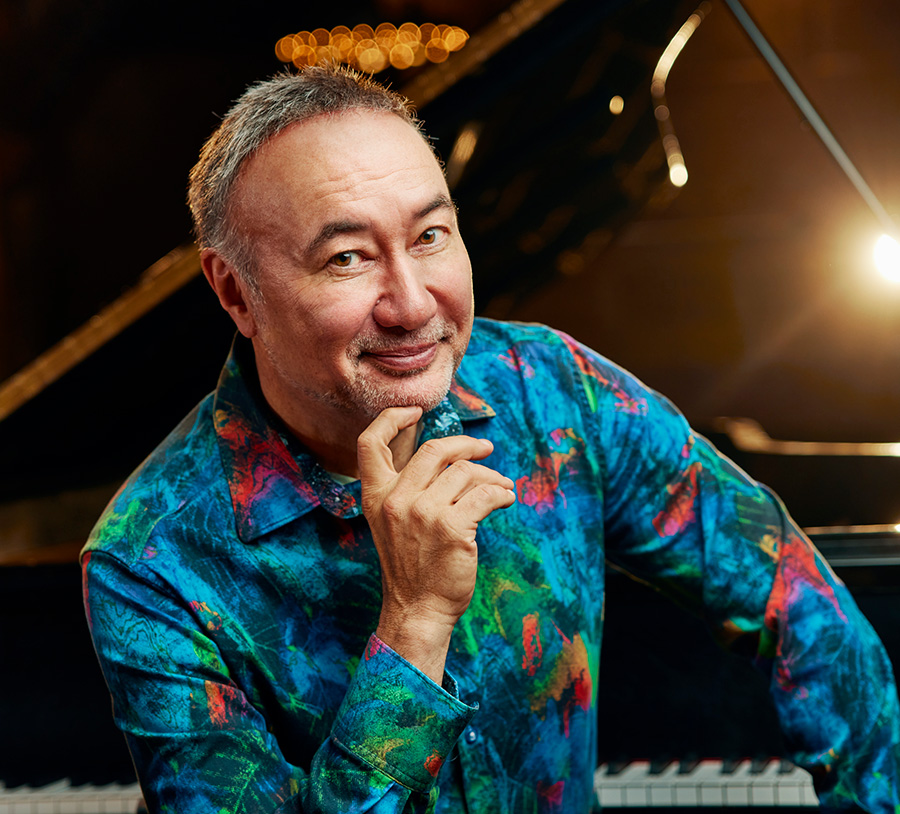
Pianist Jon Kimura Parker is known for his charisma, enthusiasm, and dynamic performances. A veteran of the international concert stage, he has performed regularly in the Berlin Philharmonie, Carnegie Hall, London’s South Bank, the Sydney Opera House, and the Beijing Concert Hall. He is the Creative Partner of the Minnesota Orchestra, having hosted and given seven concerto performances with them in July 2021 with Osmo Vänska, Karina Canellakis, Ken-David Masur. He is Artistic Director of the Honens International Piano Competition and Artistic Advisor for the Orcas Island Chamber Music Festival.Highlights of Jon Kimura Parker’s 2021-22 season include concerto appearances with the Phoenix, Peninsula, San Antonio, Rhode Island, and Kansas City orchestras, a special appearance with the Galilee Chamber Orchestra in Toronto, recitals at series including Portland Piano International, and performances with Cho-Liang Lin at Chamber Music International in Dallas, and with Paul Huang at the Chamber Music Society of Lincoln Center in New York. He also tours as a member of the Montrose Trio, which he founded with Martin Beaver and Clive Greensmith. 

Learn more at JonKimuraParker.com.
Image for Brahms & Strauss
Program

Program Notes

BRAHMS & STRAUSS
Valentina Peleggi | conductor
Jon Kimura Parker |  piano

The two short works by Richmond-born Mary Howe that begin our program launch a broader effort to restore a composer whose music was widely performed in her lifetime but later fell into obscurity. “We feel the urgency to rediscover these stories,” says Music Director Valentina Peleggi, connecting Howe to the Richmond Symphony’s ongoing exploration of Virginia’s musical history.

Strauss and Brahms then draw strikingly different kinds of expression from the orchestra. Strauss creates an elegant, nostalgic, and sometimes ironic vision of Vienna’s golden age through theatrical color. Brahms was also deeply engaged with the past, finding within tradition subtle ways to innovate.

HOWE/ STARS & SAND / 10 minutes

Born in Richmond in 1882, Mary Howe enjoyed a long and productive career as a composer, pianist, and musical organizer before her death in Washington, D.C., in 1964. She became known as a pianist through her frequent performances as part of a duo and was a prolific composer who also helped found the National Symphony Orchestra and the Society of American Women Composers. 

Howe described her musical language as “spanning and bridging,” suggesting a desire to connect musical tradition with the sounds of her own time. Composed in 1927, Stars was inspired, Howe wrote, by “the gradually overwhelming effect of the dome of a starry night — its beauty, peace, and space.”

The following year, Howe turned from the vastness of the night sky to something much earthier. She described Sand as “an imaginative piece on the substance itself, its granular consistency and grittiness and its potential scattering quality; more or less what it appears to be when sifting through your fingers on the shore.”

STRAUSS / Suite from Der
Rosenkavalier / 21 minutes

Richard Strauss used his tremendous gift for musical storytelling to become one of the greatest composers of opera in the last century. Set in mid-18th-century Vienna, Der Rosenkavalier combines broad comedy with remarkable emotional complexity. Its intrigue centers on the coarse and lecherous Baron Ochs, an aging aristocrat who regards the much younger Sophie von Faninal as a trophy bride, with her father’s substantial dowry as part of the bargain.

His plans unravel when Octavian is chosen to represent Ochs by presenting Sophie with a silver rose, a formal gesture announcing the proposed marriage. The opera’s title in fact means “The Knight of the Rose.” When Octavian and Sophie meet during the presentation, they immediately fall in love.

Yet the opera’s emotional center lies with the Marschallin, an older aristocrat trapped in a loveless marriage and already involved in a passionate affair with Octavian. Knowing that time will eventually separate them, she arranges for Octavian to deliver the silver rose and immediately senses that Sophie may become her rival. Her final decision to step aside lifts the opera into a realm of pathos and bittersweet wisdom.

Valentina Peleggi sees Strauss’s evocation of Vienna as offering what she calls “a melancholic look” back at a fabled Viennese past. Composed in 1909 and 1910 and premiered in January 1911, Der Rosenkavalier became a sensation, and its music has found an independent life in the concert hall. 

The suite begins with the opera’s forceful Prelude, whose jubilant horns graphically evoke Octavian’s passion for the Marschallin. The music subsides into a glowing aftermath colored by motifs associated with the Marschallin and her thoughts about aging.

The suite then jump-cuts to the presentation of the silver rose. Listen for what Peleggi describes as the “metallic glitter” created by such instruments as the celesta, harps, and solo violins. As Octavian and Sophie meet, their formal exchange blossoms into music of soaring ecstasy.

The mood is abruptly disrupted by Ochs, whose swagger finds its ideal expression in one of the opera’s famous — if anachronistic — waltzes. Near the end comes the music of the great Trio from the final act — the opera’s emotional peak. After the Marschallin gracefully relinquishes Octavian, the young lovers continue in a duet of simple, fairy-tale tenderness. The suite then closes with another of Ochs’s exuberant waltzes.

BRAHMS/ Piano Concerto No. 1 in D minor, 
Op. 15 /42 minutes

"Listen for what Peleggi
describes as the “metallic glitter” 
created by such instruments as the celesta, 
harps, and solo violins."

Brahms’s First Piano Concerto grew out of years of uncertainty and personal crisis. In 1853, the 20-year-old composer arrived at the home of Robert and Clara Schumann with a letter of introduction. They recognized his genius and encouraged him to think on a larger scale. But, as Peleggi puts it, Brahms “didn’t know quite where to go” with the ideas he was formulating until they took the shape of a piano concerto.

During the same period, Robert Schumann attempted suicide and spent the final two years of his life in an asylum. Young Brahms’s mixture of grief and deep feelings for Clara all influenced the emotional world from which the concerto emerged.

Brahms treats piano and orchestra as partners in a drama of unusual scale and power. The first movement begins with a thunderous orchestral outburst and a sense of primordial turmoil before the piano enters with music that is reflective and deeply melancholy. The drama grows from the exchange between orchestral force and the piano’s inward lyricism.

The second movement brings a striking change of atmosphere — intimate and meditative in character. The finale bursts in with a forceful theme whose uneven accents propel the music forward. Near the close, Brahms drives toward a fiery affirmation, as if rejoicing in the path he has finally found for himself.

(c)2026 Thomas May

Today's Musician Roster

Jon Kimura Parker | Pianist

Florence Robertson Givens Guest Artist

Pianist Jon Kimura Parker is known for his charisma, enthusiasm, and dynamic performances. A veteran of the international concert stage, he has performed regularly in the Berlin Philharmonie, Carnegie Hall, London’s South Bank, the Sydney Opera House, and the Beijing Concert Hall. He is the Creative Partner of the Minnesota Orchestra, having hosted and given seven concerto performances with them in July 2021 with Osmo Vänska, Karina Canellakis, Ken-David Masur. He is Artistic Director of the Honens International Piano Competition and Artistic Advisor for the Orcas Island Chamber Music Festival.Highlights of Jon Kimura Parker’s 2021-22 season include concerto appearances with the Phoenix, Peninsula, San Antonio, Rhode Island, and Kansas City orchestras, a special appearance with the Galilee Chamber Orchestra in Toronto, recitals at series including Portland Piano International, and performances with Cho-Liang Lin at Chamber Music International in Dallas, and with Paul Huang at the Chamber Music Society of Lincoln Center in New York. He also tours as a member of the Montrose Trio, which he founded with Martin Beaver and Clive Greensmith. 

Learn more at JonKimuraParker.com.