
Greenville Symphony Orchestra
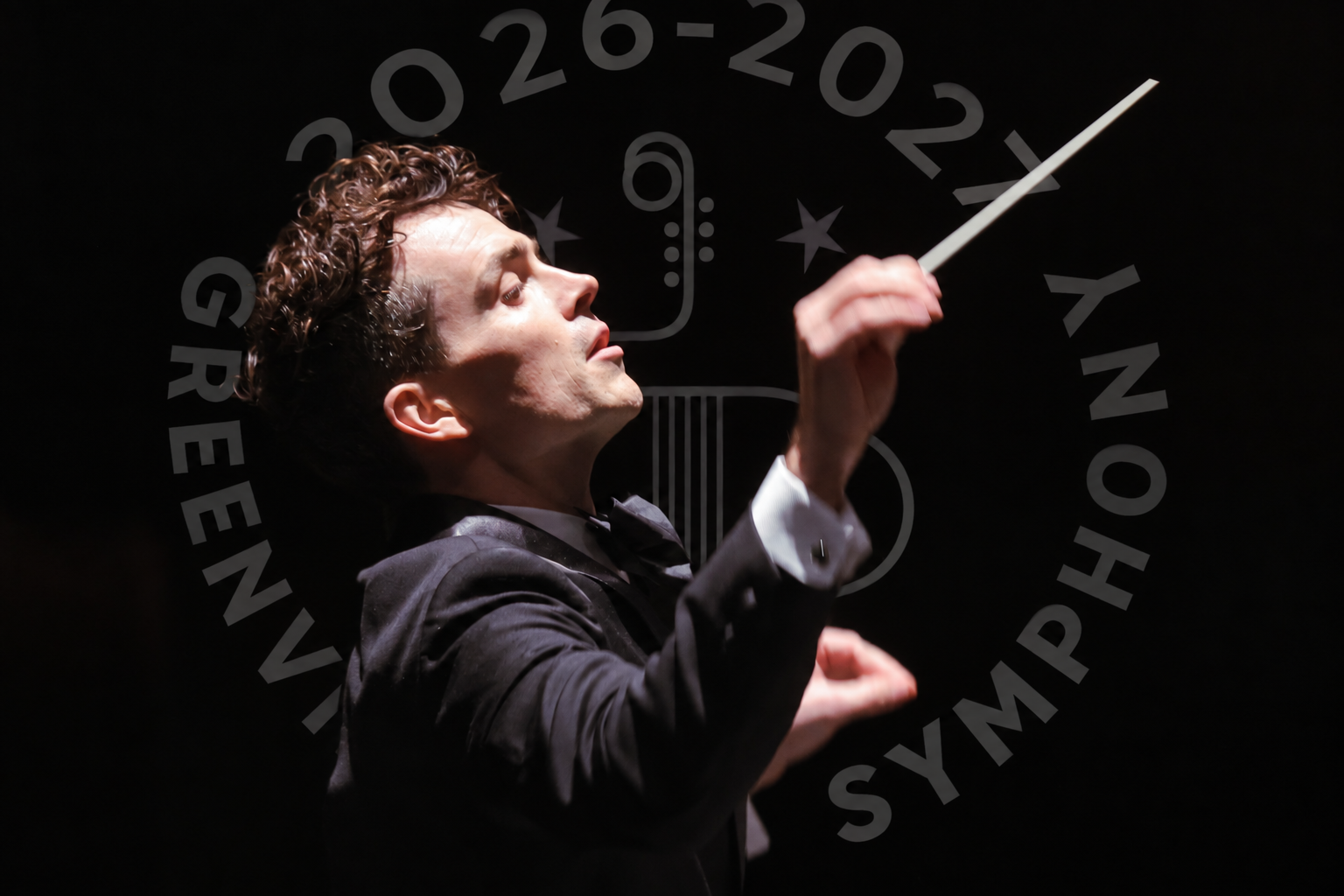
Lee Mills, Music Director
Thomas A. and Shirley W. Roe Podium Fund
Mozart AMONG
Gunter Theatre
Saturday, October 31 at 7:30 pm
Sunday, November 1 at 3:00 pm
Lee Mills | Conductor
SOLOISTS
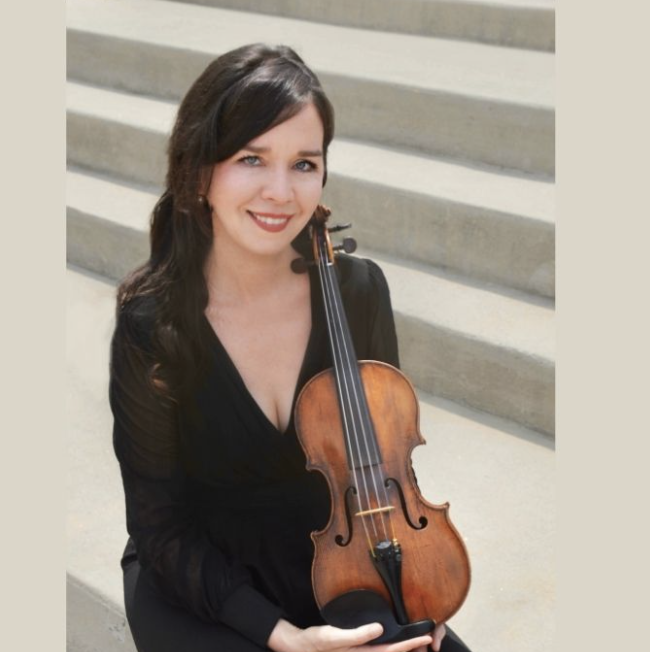
Joanna Mulfinger, Violin
Stuart P. Bowne Endowed Chair
Joanna Mulfinger appears thanks to the generosity of
Rebecca and Stuart Bowne

Wolfgang Amadeus Mozart (1756-1791) | 7' |
Violin Concerto No. 3 in G major, K.216 | 26' |
INTERMISSION | |
Mozart | 30' |
Program Notes by Paul Hyde
Overture to ‘Don Giovanni’
Wolfgang Amadeus Mozart (1756-1791)
Mozart could be dark and brooding one moment, lighthearted and mischievous the next. Few works demonstrate this range more vividly than the overture to Don Giovanni, his 1787 opera about an aristocratic seducer whose defiance of moral conventions ultimately brings about his downfall.
With a libretto by Lorenzo Da Ponte, the opera blends comedy and serious drama, and the overture captures both sides of its character.
The music opens with a slow, ominous introduction, its dark harmonies and weighty orchestral chords establishing an atmosphere of impending doom. These passages return near the opera’s conclusion, accompanying the terrifying appearance of the Commendatore, a man Don Giovanni has killed and who returns as a supernatural figure to demand that the libertine repent. The overture thus foreshadows the opera’s confrontation between reckless pleasure and moral consequence.
Without a pause, the music launches into a lively Allegro, full of rhythmic energy, quicksilver exchanges among the orchestral sections and the elegant melodic invention characteristic of Mozart. Yet beneath its buoyancy lies a dramatic tension that distinguishes this music from a conventional operatic curtain-raiser.
Mozart completed the overture on the night before the opera’s premiere in Prague on Oct. 29, 1787, according to a celebrated account of its composition. The result is a masterful miniature of the drama to come: witty, exhilarating and shadowed by the inevitability of tragedy.
Violin Concerto No. 3
Mozart
Mozart composed five violin concertos in 1775, when he was 19 and serving as a musician at the court of the Archbishop of Salzburg. The Violin Concerto No. 3, completed in September of that year, reveals the young composer’s remarkable ability to combine elegance, melodic invention and expressive depth.
It also demonstrates his understanding of the violin’s expressive possibilities and its relationship with the orchestra. Mozart was a gifted violinist himself in addition to being a virtuoso on the piano.
In a program that includes the dark drama of Don Giovanni and the restless emotional world of the Symphony No. 40, the concerto provides a sunny counterweight, as conductor Lee Mills has pointed out.
The concerto’s three movements reveal a Mozart who delights in graceful melodies, unexpected turns and the playful interplay of musical personalities.
- The opening Allegro begins with an orchestral exposition that establishes the movement’s principal themes before the solo violin enters. Mozart’s approach is particularly striking: rather than simply repeating the orchestra’s material, the violin introduces a new, graceful melody, expanding the musical argument in an unexpected direction. The exchange gives the movement a conversational character, as the soloist alternates lyrical phrases with sparkling runs and ornamental flourishes.
- The central Adagio, in D major, is the concerto’s emotional heart. Principal second violinist Joanna Mulfinger, the soloist for the concerts, particularly admires its sense of “weightlessness and vulnerability.” The solo violin sings an extended, vocal-like melody over a gently moving orchestral accompaniment. Mozart’s gift for operatic expression is unmistakable: the music seems to breathe naturally, its subtle changes of mood allowing the soloist’s phrasing to take center stage.
- The finale, marked Rondeau: Allegro, returns to a lighter, more mischievous character. A recurring refrain alternates with contrasting episodes, bringing shifts in rhythm, texture and mood. Dance-like passages and agile violin figurations lend the movement a theatrical quality, while its unexpected turns keep the music delightfully unpredictable.
The concerto also offers considerable opportunities for solo display, with space for five cadenzas — virtuosic passages in which the soloist momentarily takes center stage without the orchestra. Mulfinger plans to draw primarily on cadenzas by the celebrated Russian violinist David Oistrakh.
Throughout the work, Mozart demonstrates that virtuosity need not come at the expense of grace. Its youthful freshness, expressive intimacy and effortless-seeming melodic invention make this concerto an enduring favorite of performers and audiences alike.
Symphony No. 40
Mozart
Completed in the summer of 1788, Mozart’s Symphony No. 40 is one of his most celebrated instrumental works and one of only two symphonies he composed in a minor key. It belongs to an extraordinary sequence of three final symphonies written in rapid succession, during a period when Mozart faced mounting financial difficulties.
The circumstances surrounding their composition remain uncertain, but the music reveals a composer at the height of his powers, exploring emotional territory far removed from the easy elegance often associated with his name.
The symphony is brooding and restless, yet it is not simply tragic. As music director Lee Mills observes, its familiar melodies and moments of joy offer more than darkness. The work’s power lies in its ability to hold contrasting emotions in balance, creating music that can seem intimate one moment and dramatically unsettled the next.
- The first movement, Molto allegro, begins with a restless, pulsing accompaniment beneath a sinuous violin melody. Rather than opening with a grand orchestral proclamation, Mozart allows the principal theme to emerge almost imperceptibly from the rhythmic motion. The effect is both graceful and unsettling, as if the music were already in progress. As the movement unfolds, harmonic shifts and contrapuntal exchanges intensify the tension before the opening material returns.
- The Andante, in E-flat major, offers a more reflective atmosphere. Its flowing themes suggest serenity, but chromatic inflections and changes in orchestral texture introduce moments of unease beneath the lyrical surface. Mozart’s melodies seem to carry distinct emotional personalities, an operatic quality that Mills considers central to the composer’s genius. “He was always an operatic composer,” Mills says, noting that even Mozart’s instrumental music seems filled with characters and songlike melodies.
- The third movement, a Minuet, departs from the courtly grace traditionally associated with the dance. Its forceful accents and angular rhythms give it a stern character, while the contrasting section, called a Trio, offers a lighter, more pastoral interlude.
- The finale, Allegro assai, launches into a rapidly ascending figure that propels the music forward with relentless energy. Mozart builds a tightly controlled musical argument, using contrasting themes and harmonic tension to sustain the movement’s urgency. The return of the opening material brings no simple triumph or release. The symphony ends in G minor, preserving its unsettled emotional character to the final chord.
The result is a work of extraordinary range: dark but not despairing, elegant but never complacent. Its combination of memorable melodies, dramatic tension and structural mastery helps explain why the Symphony No. 40 remains among Mozart’s most beloved and emotionally complex achievements.
©2026 Paul Hyde
Paul Hyde, a longtime arts journalist, is an English instructor at Tri-County Technical College. He writes regularly for the Washington Post, Greenville Journal, the S.C. Daily Gazette, ArtsATL, and the Atlanta Journal-Constitution. Readers may write to him at pah598@g.harvard.edu.
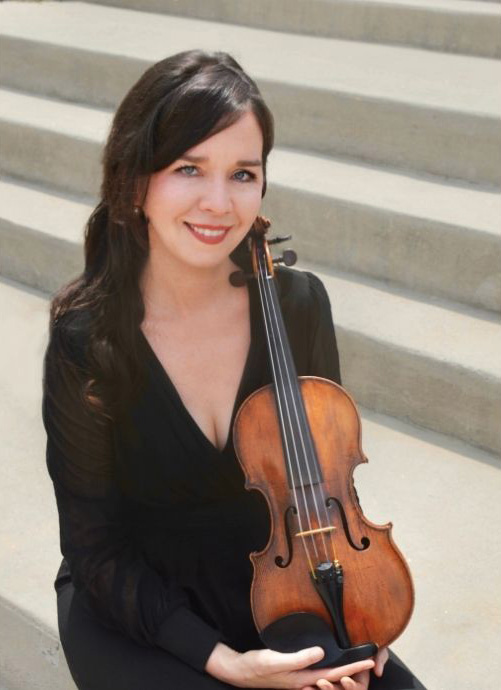 Joanna Mulfinger is a native of Greenville. She graduated from Bob Jones University and continued her education at the Peabody Conservatory, receiving a Master’s Degree under the tutelage of renowned Russian pedagogue Victor Danchenko. She has pursued additional summer music studies at the Juilliard School in New York, the Hanns Eisler Hochschule Für Musik in Berlin, and other festivals in France, Germany, Italy, Switzerland, and Canada. Since returning to Greenville, she has developed a large studio of private students and has been on the Adjunct Faculty of several local universities. As a chamber musician, Joanna is a member of several ensembles including the Mulfinger String Quartet, Trio Tapestry (violin, guitar, cello) and Triptych Musica (violin, horn, and piano). She is active in the early music world, performing with The Sebastians and as a core member of Early Music New York. She is also an active orchestral musician. Since 2003, she has been Principal Second Violin of the Greenville Symphony, and is Concertmaster of the Spartanburg Philharmonic. Joanna performs on a 1653 Nicolo Amati violin, a violin she inherited from her mother.
Concert Hall Series
Saturday performances at 7:30
Sunday at 3:00 pm
Opening Night: Mozart Requiem
September 26 & 27
Beethoven’s Violin Concerto
November 21 & 22
Tchivzhel Conducts Mendelssohn and Tchaikovsky
February 6 & 7
Bartók Concerto for Orchestra
March 13 & 14
Beethoven 7 + Jacqueline Tso Plays Butterfly Lovers’ Concerto
April 10 & 111
Ravel’s Bolero + Maxim Lando
May 15 & 16
Gunter Theatre Series
Saturday performances at 7:30
Sunday at 3:00 pm
Mozart Among Friends
October 31 & November 1
Carmen in Concert
February 20 & 21
Rhythm Rising: A Percussion Celebration
March 20 & 21
Haydn Symphony 102 + Stravinsky’s Pulcinella
April 24 & 25
Special Concerts
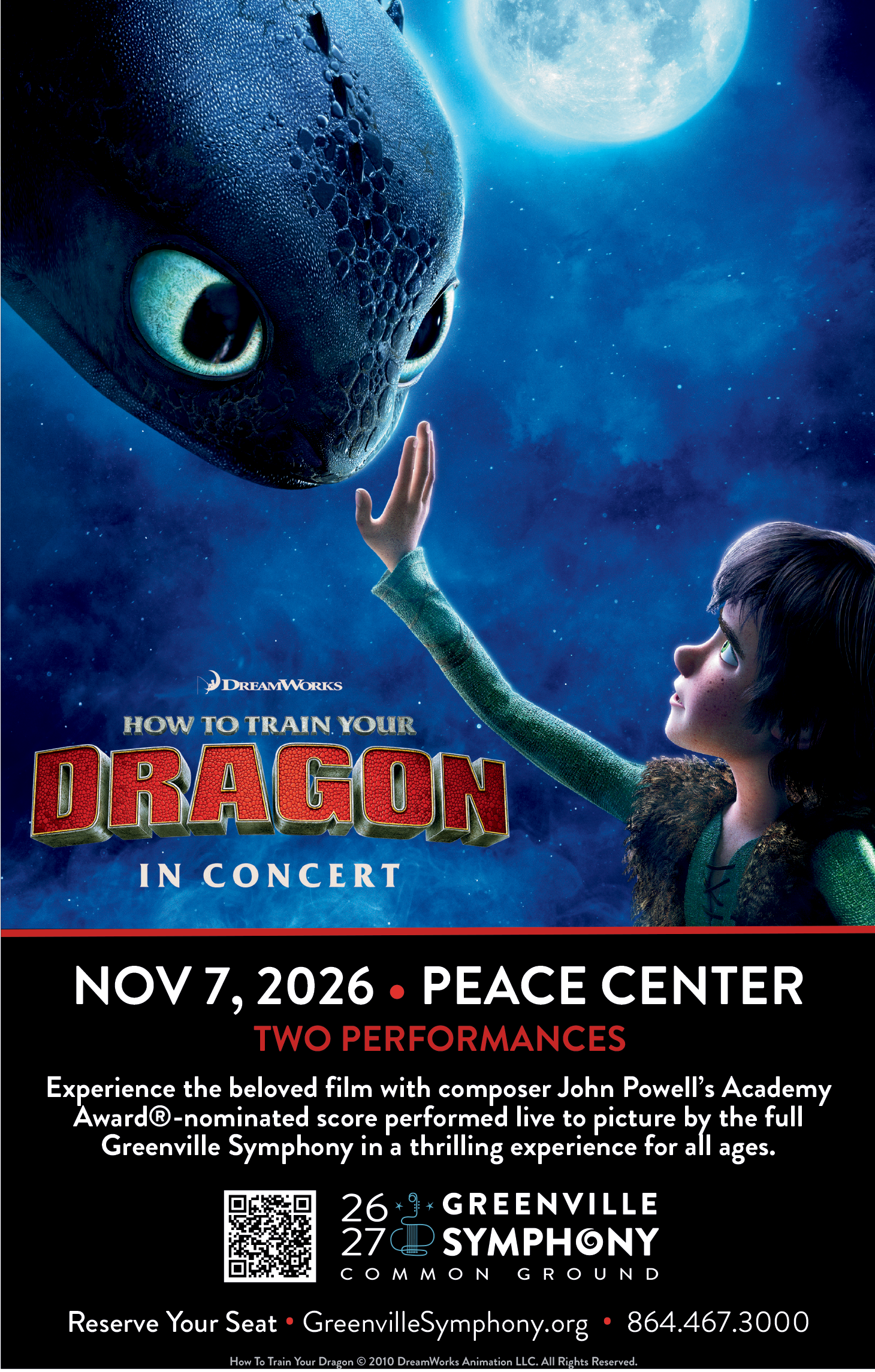
How to Train Your Dragon in Concert
November 7 at 2:00 pm & 7:00 pm
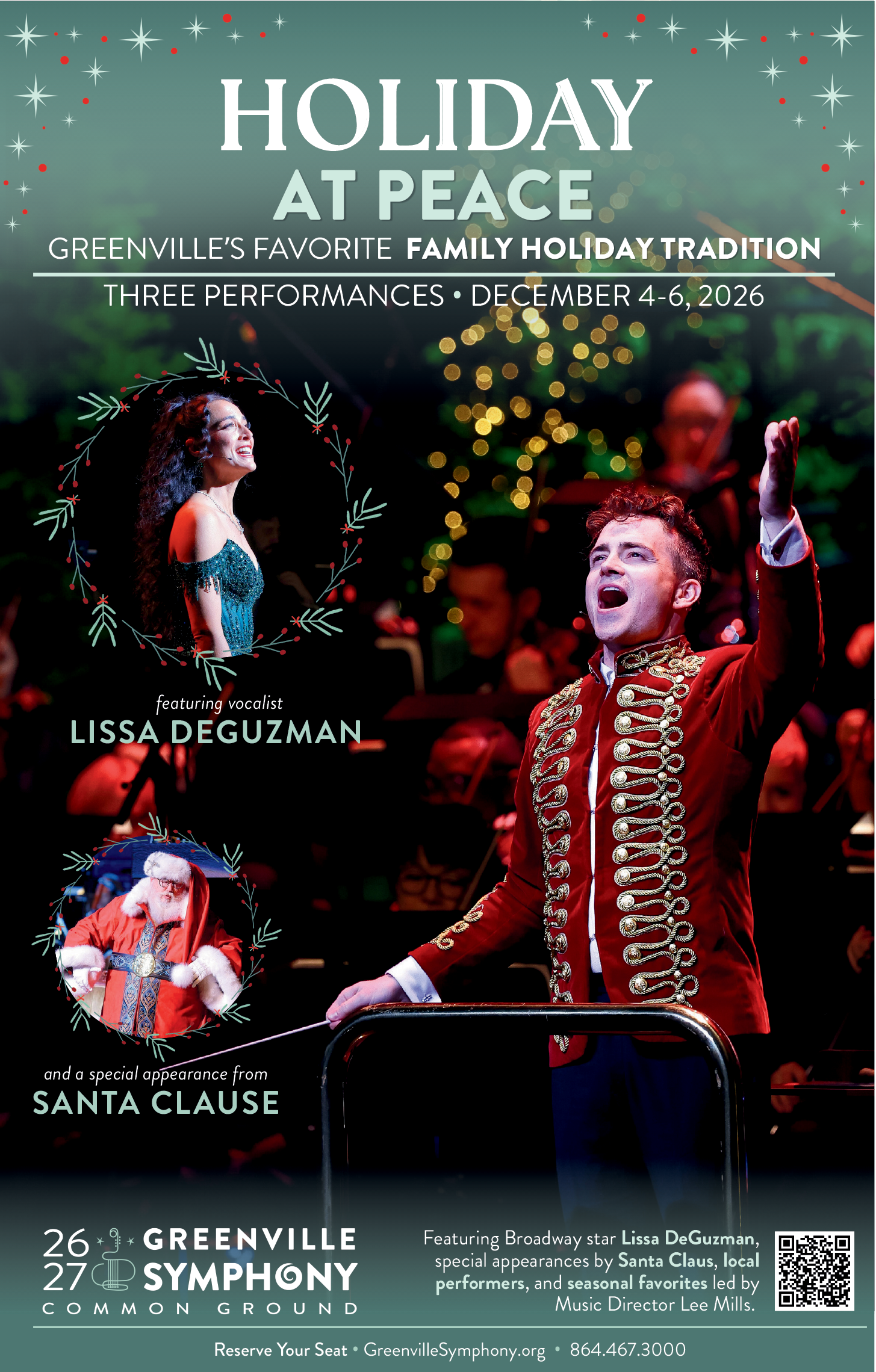
Holiday at Peace
December 4 at 7:00 pm
December 5 at 7:00 pm
December 6 at 2:00 pm
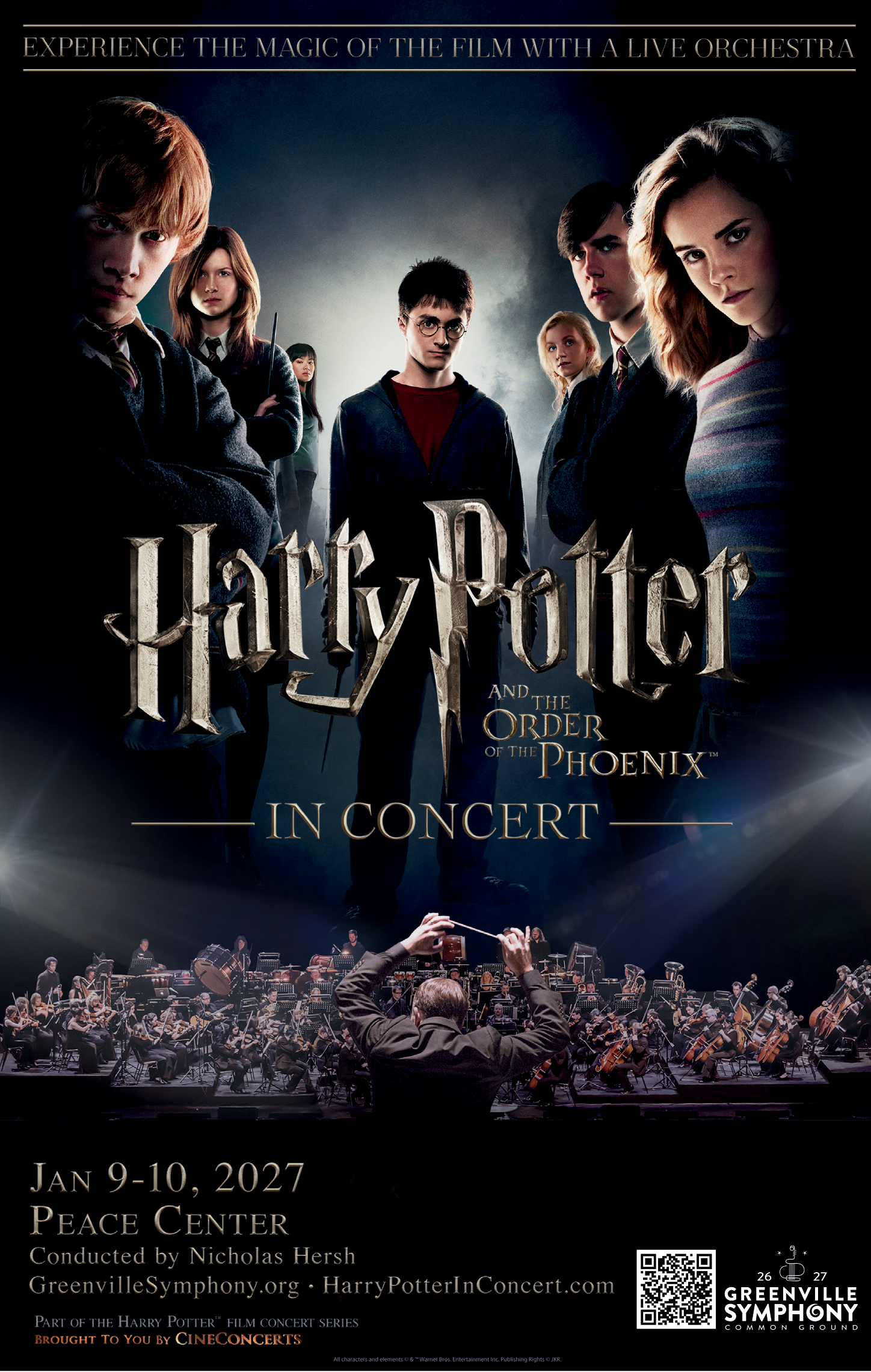
Harry Potter and the Goblet of Fire™ in Concert
January 9 at 1:00 pm and 7:00 pm
January 10 at 2:00
Chamber Music Series
Principal Winds of the Greenville Symphony
September 15 at 5:30 pm, Poe Mill Music
September 16 at 7:00 pm, Cascades Verdae
Principal Strings of the Greenville Symphony
March 16 at 5:30 pm, Centre Stage
March 17 at 7:00 pm, Hotel Hartness
Details and tickets available at greenvillesymphony.org